














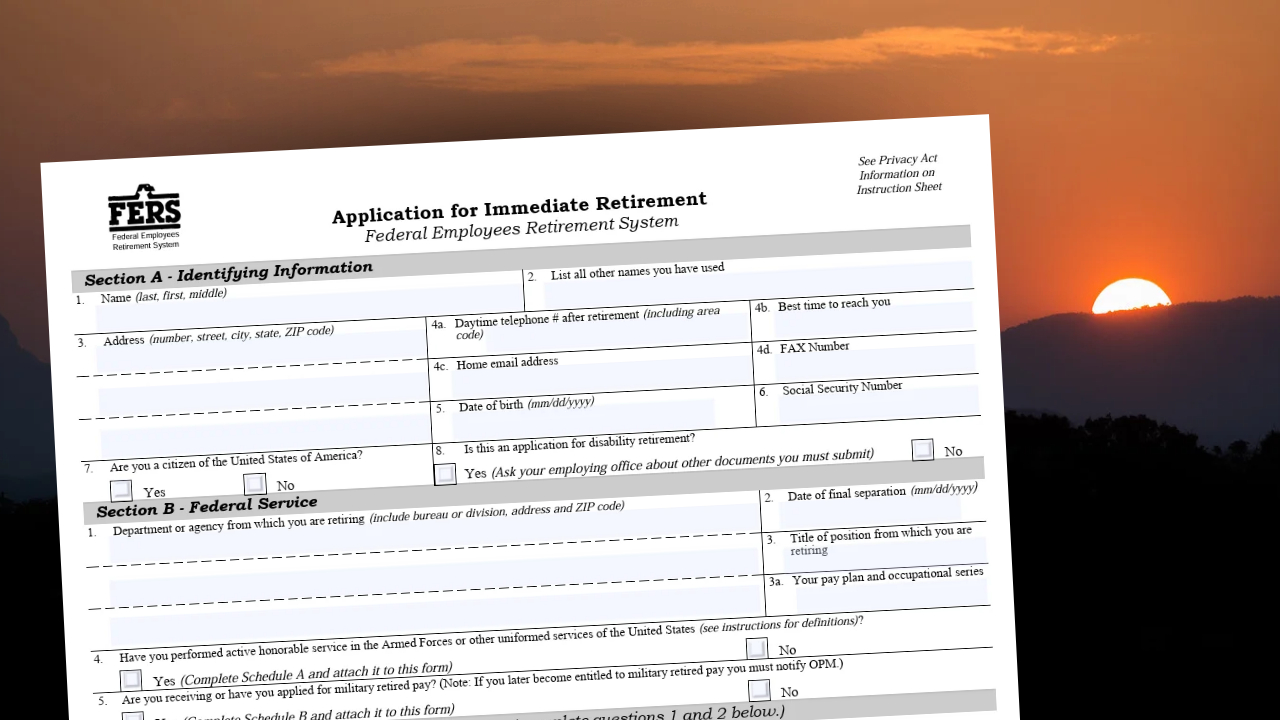


For generations, retiring from federal service meant navigating a mountain of paperwork. Retirement applications were printed, mailed, reviewed by hand, and routed through multiple offices before reaching the Office of Personnel Management (OPM). That process often contributed to lengthy wait times and unnecessary frustration for new retirees.
That era has officially come to an end… at least, in theory.
OPM has completed its transition to a fully digital retirement application process, marking a significant modernization of one of the federal government’s oldest administrative systems. For federal employees planning to retire in the coming months or years, understanding these changes can help make the retirement process smoother and potentially much faster.
A New Chapter for Federal Retirement Processing
After decades of relying on paper files, OPM now processes the overwhelming majority of retirement applications through its Online Retirement Application (ORA) platform. The move represents one of the most significant updates to the federal retirement system in decades and is intended to improve efficiency, reduce processing delays, and provide greater transparency throughout the retirement process.
The digital system allows employees and agency HR offices to complete much of the retirement paperwork electronically, eliminating many of the manual steps that historically slowed down processing.
Faster Processing Starts Before You Retire
One of the most valuable enhancements is the ability to begin preparing portions of a retirement application before an employee’s separation date. Instead of waiting until retirement is official, employees and their HR specialists can complete much of the required information in advance.
OPM has also introduced earlier application processing while final payroll information is still being finalized. By allowing certain steps to occur simultaneously rather than sequentially, the agency hopes to reduce delays that have traditionally kept retirees waiting for benefits.
Perhaps the most noteworthy announcement is OPM’s commitment to issue a retiree’s first pension payment within seven days of retirement, provided a complete retirement package is submitted by the employee’s separation date. While final adjudication of retirement claims may still take several months in many cases, receiving initial payments sooner can help ease the financial transition into retirement.
Although technology is aimed at making the process more efficient; however, it cannot correct incomplete or inaccurate applications. Missing documentation, unanswered questions, service credit issues, deposit or redeposit concerns, and benefit election errors can still delay retirement processing regardless of whether the application is submitted electronically. The online system also provides features that can help reduce mistakes, including pre-filled information, retirement benefit estimates, and electronic document uploads. However, the quality of the application still depends on the information provided by the employee and agency.
Why Retirement Planning Still Matters
It’s important to remember that faster processing doesn’t necessarily mean better retirement decisions.
Choosing when to retire, electing survivor benefits, coordinating FEHB coverage, understanding your FERS annuity, managing TSP withdrawals, and developing a tax-efficient income strategy all have long-term financial implications. These decisions deserve careful consideration well before your retirement date.
A streamlined application process simply makes it easier to submit your paperwork, but it doesn’t help you navigate which elections to make on said paperwork. Only comprehensive retirement planning support can help with that.
OPM’s move away from paper retirement applications is a welcome improvement that should make the retirement process faster and more efficient for many federal employees. But even with modern technology, the success of your retirement application still depends on submitting a complete and accurate package. Before you file, take the time to review every document, verify your service history, your benefit elections around survivor benefits, FEHB, FEDVIP, FEGLI, and more. Ensure every piece of the digital retirement package is complete, as being thorough can help prevent avoidable delays and make your transition into retirement as smooth as possible.
If you’re preparing for retirement and want confidence that you’re making the right benefit elections, not just checking boxes on your digital application, contact the team at Serving Those Who Serve to schedule a comprehensive federal benefits analysis. We’ll help you evaluate your options, identify potential issues before they become problems, and develop a retirement strategy that’s aligned with your long-term financial goals.
The information has been obtained from sources considered reliable but we do not guarantee that the foregoing material is accurate or complete. Any opinions are those of Serving Those Who Serve writers and not necessarily those of RJFS or Raymond James. Any information is not a complete summary or statement of all available data necessary for making an investment decision and does not constitute a recommendation. Investing involves risk and you may incur a profit or loss regardless of strategy suggested. Every investor’s situation is unique and you should consider your investment goals, risk tolerance, and time horizon before making any investment or financial decision. Prior to making an investment decision, please consult with your financial advisor about your individual situation. While we are familiar with the tax provisions of the issues presented herein, as Financial Advisors of RJFS, we are not qualified to render advice on tax or legal matters. You should discuss tax or legal matters with the appropriate professional. **
The FedLife Podcast is your in-depth, biweekly deep dive into the world of federal benefits and retirement planning. Hosted by federal benefits expert Ed Zurndorfer and Dan Sipe of Serving Those Who Serve, each 30-minute episode unpacks the complexities of FERS and CSRS retirement, FEHB and Medicare, survivor benefits, tax planning, and more. Designed for federal employees and retirees who want more than just the basics, FedLife goes beyond the headlines to explore the rules, nuances, and strategies that can make a meaningful difference in your retirement. Remember: it’s your Fed life, make it a great one.

The Fed15 Podcast is your weekly 15(ish)-minute briefing on federal benefits and financial planning, built specifically for federal employees and retirees. Hosted by Dan Sipe and Katelyn Murray of Serving Those Who Serve, each episode delivers clear, actionable guidance on topics like FERS and CSRS retirement, TSP strategies, FEHB, survivor benefits, tax planning, and more! Whether you’re five years from retirement or already there, The Fed15 helps you cut through the noise, avoid costly mistakes, and make confident decisions about your federal benefits.