

















In January 2025, federal agencies were directed to end remote work, requiring their employees to return to the office full-time.
As a Fed, you could be okay with the RTO mandate. Perhaps you like the idea of in-person collaboration and a separation between the workplace and your home life.
On the other hand, you might be reluctant to come back due to long commutes, a lack of flexibility and the potential for work-life erosion. You could dislike the idea so much that you’re considering early retirement.
However, you should consider several factors before impulsively separating from your federal career. Whether you’re nearing retirement age or are ten years or more from that event, it’s essential to determine:
Your retirement benefits are handled by the
You contribute a certain amount each month to fund your retirement, and you receive annuities when you separate from your government job. An early retirement could impact your retirement distributions.
To determine how much you might receive for an early retirement, the formula consists of:

Additional issues to consider with early retirement include the following.
Early retirement might also impact your Social Security benefits. You could apply for and start receiving your Social Security benefits at 62. However:
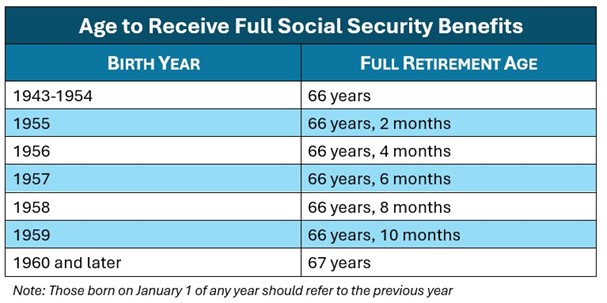
As such, it’s important to determine your Social Security benefits before deciding on the early retirement route.
If you’re contributing to the FERS Thrift Savings Plan (TSP), your payout could be lowered if you retire early. And if that retirement occurs before the age of 59 1/2, https://www.fedweek.com/tsp/tsp-early-withdrawal-penalty-roth-and-traditional/ in addition to being taxed as ordinary income.
If you separate from service before retirement age, you could continue your Federal Employee Health Benefits as long as you:
Also, you can continue with your Federal Employees’ Group Life Insurance (FEGLI) if you separate from your job before age 65. You’ll be responsible for paying premiums until age 65. At that point, you can select free coverage (free from premiums). In exchange, your coverage is reduced.
Options like VERA or discontinued service retirement are making the possibility of retiring before MRA with benefits increasingly possible in the current federal government environment. You can learn more about those options by registering for our SPECIAL “Early Retirement Planning for Federal Employees” webinar here.
Part of early retirement readiness means understanding your income and expenses after you leave your job. If you find that your calculated income won’t cover anticipated expenses in retirement, consider:
It’s also a good idea to enlist the assistance of experienced CERTIFIED FINANCIAL PLANNERS™ like those with Serving Those Who Serve. These fed-focused experts can analyze your retirement readiness and advise you on improving income through contributions and investments. These CFP profeesionals® can also work with you on a separation strategy from your federal job.
Early retirement could offer a solution if the federal government’s return-to-office mandate has you concerned or anxious. However, you should definitely figure out your expenses, income, and other issues before taking that step. This is a measure twice, cut once situation.
CPFs® at Serving Those Who Serve are on hand to advise you about CSRS/FERS retirement and in-office mandates. These skilled professionals can work with you on developing a workable plan, whether you stay in place or plan to separate from your job.
To schedule a no-obligation meeting, visit stwserve.com or email [email protected].
The information has been obtained from sources considered reliable but we do not guarantee that the foregoing material is accurate or complete. Any opinions are those of Serving Those Who Serve writers and not necessarily those of RJFS or Raymond James. Any information is not a complete summary or statement of all available data necessary for making an investment decision and does not constitute a recommendation. Investing involves risk and you may incur a profit or loss regardless of strategy suggested. Every investor’s situation is unique and you should consider your investment goals, risk tolerance, and time horizon before making any investment or financial decision. Prior to making an investment decision, please consult with your financial advisor about your individual situation. While we are familiar with the tax provisions of the issues presented herein, as Financial Advisors of RJFS, we are not qualified to render advice on tax or legal matters. You should discuss tax or legal matters with the appropriate professional. **
The FedLife Podcast is your in-depth, biweekly deep dive into the world of federal benefits and retirement planning. Hosted by federal benefits expert Ed Zurndorfer and Dan Sipe of Serving Those Who Serve, each 30-minute episode unpacks the complexities of FERS and CSRS retirement, FEHB and Medicare, survivor benefits, tax planning, and more. Designed for federal employees and retirees who want more than just the basics, FedLife goes beyond the headlines to explore the rules, nuances, and strategies that can make a meaningful difference in your retirement. Remember: it’s your Fed life, make it a great one.
The Fed15 Podcast is your weekly 15(ish)-minute briefing on federal benefits and financial planning, built specifically for federal employees and retirees. Hosted by Dan Sipe and Katelyn Murray of Serving Those Who Serve, each episode delivers clear, actionable guidance on topics like FERS and CSRS retirement, TSP strategies, FEHB, survivor benefits, tax planning, and more! Whether you’re five years from retirement or already there, The Fed15 helps you cut through the noise, avoid costly mistakes, and make confident decisions about your federal benefits.