














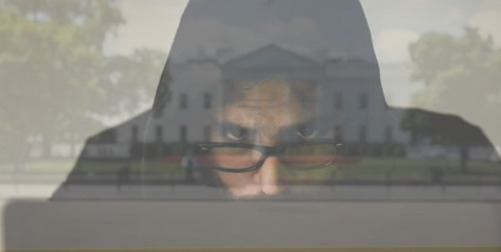
2020 Cybersecurity breach of Federal Agencies causes Biden Administration to focus heavily on cyber-threats.
SolarWinds is a US government contractor that supplies I.T. software to several federal agencies. In the spring of 2020, while the globe was attacked with a biological virus, hackers had infiltrated SolarWinds’ systems and infested the company’s software with a computer virus. Although the hackers broke into SolarWinds’ systems in September of 2019, what they did was input a virus that was deployed to other systems when the company’s software update was released on March 20, 2020. When users updated this new version of the software, including Federal Employees using the computer program for work, spyware was also installed and that is how it spread to other networks. 10 federal agencies have confirmed their servers were hit with the cyberattack, including the Department of Treasury. 198 total organizations were impacted, most of which were in the private sector, like Cisco Systems and Intel, for example, which were two of the targeted companies. A private cybersecurity firm entitled FireEye was the first US entity to notice the breach, on December 11, 2020 and they were the ones to notify the US Government. On January 5, 2021, the FBI and NSA released a public statement confirming that the cyberthreats were most likely of Russian origins.
COMPLIMENTARY FERS WEBINARIn response to the prolonged cyberattack, President Joe Biden has picked a handful of military leaders, who have identified the nation’s cybersecurity as a top concern.
–Ann Neuberger who worked for the NSA as the director of cybersecurity, has been named to the National Security Council as the Deputy National Security Advisor for Cyber and Emerging Technology. She will lead the investigation into the SolarWinds incident.
–Lloyd Austin, a retired Army General, was confirmed as the new Defense Secretary on January 22nd. He has pushed for proactive measures of international cyberthreats, calling them “malicious cyber campaigns to erode U.S. military advantages.”
–Avril Haines, the recently confirmed Director of National Intelligence, was the US Deputy National Security Advisor in the final months of the Obama presidency. Before that, she worked at CIA to implement new cybersecurity procedures.
–Kathleen Hicks, the new US Deputy Secretary of Defense, led national security research projects earlier in her career. She recently remarked that the US Government should have better-developed systems for providing warnings and indicators for the presence of hacks like the one that occurred at SolarWinds.
–
Until Next Time,

The information has been obtained from sources considered reliable but we do not guarantee that the foregoing material is accurate or complete. Any opinions are those of Serving Those Who Serve writers and not necessarily those of RJFS or Raymond James. Any information is not a complete summary or statement of all available data necessary for making an investment decision and does not constitute a recommendation. Investing involves risk and you may incur a profit or loss regardless of strategy suggested. Every investor’s situation is unique and you should consider your investment goals, risk tolerance, and time horizon before making any investment or financial decision. Prior to making an investment decision, please consult with your financial advisor about your individual situation. While we are familiar with the tax provisions of the issues presented herein, as Financial Advisors of RJFS, we are not qualified to render advice on tax or legal matters. You should discuss tax or legal matters with the appropriate professional. **
The FedLife Podcast is your in-depth, biweekly deep dive into the world of federal benefits and retirement planning. Hosted by federal benefits expert Ed Zurndorfer and Dan Sipe of Serving Those Who Serve, each 30-minute episode unpacks the complexities of FERS and CSRS retirement, FEHB and Medicare, survivor benefits, tax planning, and more. Designed for federal employees and retirees who want more than just the basics, FedLife goes beyond the headlines to explore the rules, nuances, and strategies that can make a meaningful difference in your retirement. Remember: it’s your Fed life, make it a great one.

The Fed15 Podcast is your weekly 15(ish)-minute briefing on federal benefits and financial planning, built specifically for federal employees and retirees. Hosted by Dan Sipe and Katelyn Murray of Serving Those Who Serve, each episode delivers clear, actionable guidance on topics like FERS and CSRS retirement, TSP strategies, FEHB, survivor benefits, tax planning, and more! Whether you’re five years from retirement or already there, The Fed15 helps you cut through the noise, avoid costly mistakes, and make confident decisions about your federal benefits.