
















There are two types of federal employees who work offsite – teleworkers and remote workers. The difference is that while telework is 100% offsite, remote workers are expected to report to their agency’s worksite on a regular basis. If there is a snow day or a similar delay or cancellation, teleworkers do not get the day off, and there are very little exceptions available to them. Remote workers, on the other hand, are “generally” not excused, but if there was no reasonable expectation of a weather or safety emergency when they left their worksite, and they did not take necessary equipment or work home from the office, they could be excused for the day.
There are two types of federal employees who work offsite – teleworkers and remote workers. The difference is that while telework is 100% offsite, remote workers are expected to report to their agency’s worksite on a regular basis. If there is a snow day or a similar delay or cancellation, teleworkers do not get the day off, and there are very little exceptions available to them. Remote workers, on the other hand, are “generally” not excused, but if there was no reasonable expectation of a weather or safety emergency when they left their worksite, and they did not take necessary equipment or work home from the office, they could be excused for the day.
The OPM guidance also goes over procedures during a weather or safety emergency for the following types of employees:
Until Next Time,
The information has been obtained from sources considered reliable but we do not guarantee that the foregoing material is accurate or complete. Any opinions are those of Serving Those Who Serve writers and not necessarily those of RJFS or Raymond James. Any information is not a complete summary or statement of all available data necessary for making an investment decision and does not constitute a recommendation. Investing involves risk and you may incur a profit or loss regardless of strategy suggested. Every investor’s situation is unique and you should consider your investment goals, risk tolerance, and time horizon before making any investment or financial decision. Prior to making an investment decision, please consult with your financial advisor about your individual situation. While we are familiar with the tax provisions of the issues presented herein, as Financial Advisors of RJFS, we are not qualified to render advice on tax or legal matters. You should discuss tax or legal matters with the appropriate professional. **
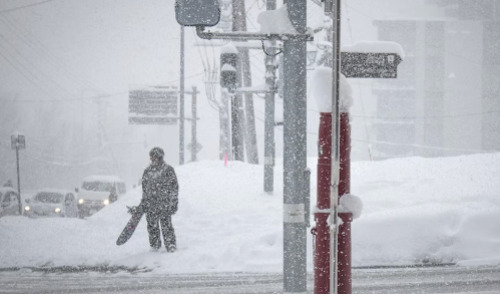
Winter is here and OPM has updated their guidelines for Weather and Safety leave.
Updated guidance on procedures for weather and safety emergencies has been released by OPM. This is the first amendment to such policies in about 4 years, so the correspondence mainly focuses on federal workers who work either partially or fully from home, as such positions have dramatically increased since the pandemic hit.
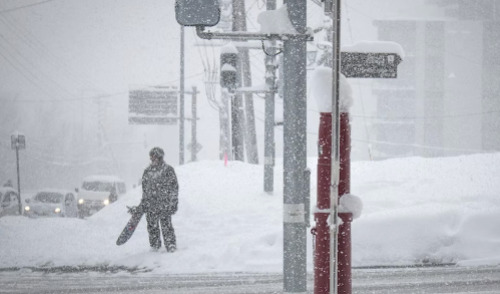
The most common delay or work cancellation events happen because of snow, or some other weather event like a hurricane, wildfire, or flooding. This gives employees in the impacted areas an excused paid absence with no change to their personal leave balance.
There are two types of federal employees who work offsite – teleworkers and remote workers. The difference is that while telework is 100% offsite, remote workers are expected to report to their agency’s worksite on a regular basis. If there is a snow day or a similar delay or cancellation, teleworkers do not get the day off, and there are very little exceptions available to them. Remote workers, on the other hand, are “generally” not excused, but if there was no reasonable expectation of a weather or safety emergency when they left their worksite, and they did not take necessary equipment or work home from the office, they could be excused for the day.
There are two types of federal employees who work offsite – teleworkers and remote workers. The difference is that while telework is 100% offsite, remote workers are expected to report to their agency’s worksite on a regular basis. If there is a snow day or a similar delay or cancellation, teleworkers do not get the day off, and there are very little exceptions available to them. Remote workers, on the other hand, are “generally” not excused, but if there was no reasonable expectation of a weather or safety emergency when they left their worksite, and they did not take necessary equipment or work home from the office, they could be excused for the day.
The OPM guidance also goes over procedures during a weather or safety emergency for the following types of employees:
Until Next Time,
The information has been obtained from sources considered reliable but we do not guarantee that the foregoing material is accurate or complete. Any opinions are those of Serving Those Who Serve writers and not necessarily those of RJFS or Raymond James. Any information is not a complete summary or statement of all available data necessary for making an investment decision and does not constitute a recommendation. Investing involves risk and you may incur a profit or loss regardless of strategy suggested. Every investor’s situation is unique and you should consider your investment goals, risk tolerance, and time horizon before making any investment or financial decision. Prior to making an investment decision, please consult with your financial advisor about your individual situation. While we are familiar with the tax provisions of the issues presented herein, as Financial Advisors of RJFS, we are not qualified to render advice on tax or legal matters. You should discuss tax or legal matters with the appropriate professional. **
Winter is here and OPM has updated their guidelines for Weather and Safety leave.
Updated guidance on procedures for weather and safety emergencies has been released by OPM. This is the first amendment to such policies in about 4 years, so the correspondence mainly focuses on federal workers who work either partially or fully from home, as such positions have dramatically increased since the pandemic hit.
The most common delay or work cancellation events happen because of snow, or some other weather event like a hurricane, wildfire, or flooding. This gives employees in the impacted areas an excused paid absence with no change to their personal leave balance.
There are two types of federal employees who work offsite – teleworkers and remote workers. The difference is that while telework is 100% offsite, remote workers are expected to report to their agency’s worksite on a regular basis. If there is a snow day or a similar delay or cancellation, teleworkers do not get the day off, and there are very little exceptions available to them. Remote workers, on the other hand, are “generally” not excused, but if there was no reasonable expectation of a weather or safety emergency when they left their worksite, and they did not take necessary equipment or work home from the office, they could be excused for the day.
There are two types of federal employees who work offsite – teleworkers and remote workers. The difference is that while telework is 100% offsite, remote workers are expected to report to their agency’s worksite on a regular basis. If there is a snow day or a similar delay or cancellation, teleworkers do not get the day off, and there are very little exceptions available to them. Remote workers, on the other hand, are “generally” not excused, but if there was no reasonable expectation of a weather or safety emergency when they left their worksite, and they did not take necessary equipment or work home from the office, they could be excused for the day.
The OPM guidance also goes over procedures during a weather or safety emergency for the following types of employees:
Until Next Time,
The information has been obtained from sources considered reliable but we do not guarantee that the foregoing material is accurate or complete. Any opinions are those of Serving Those Who Serve writers and not necessarily those of RJFS or Raymond James. Any information is not a complete summary or statement of all available data necessary for making an investment decision and does not constitute a recommendation. Investing involves risk and you may incur a profit or loss regardless of strategy suggested. Every investor’s situation is unique and you should consider your investment goals, risk tolerance, and time horizon before making any investment or financial decision. Prior to making an investment decision, please consult with your financial advisor about your individual situation. While we are familiar with the tax provisions of the issues presented herein, as Financial Advisors of RJFS, we are not qualified to render advice on tax or legal matters. You should discuss tax or legal matters with the appropriate professional. **
The FedLife Podcast is your in-depth, biweekly deep dive into the world of federal benefits and retirement planning. Hosted by federal benefits expert Ed Zurndorfer and Dan Sipe of Serving Those Who Serve, each 30-minute episode unpacks the complexities of FERS and CSRS retirement, FEHB and Medicare, survivor benefits, tax planning, and more. Designed for federal employees and retirees who want more than just the basics, FedLife goes beyond the headlines to explore the rules, nuances, and strategies that can make a meaningful difference in your retirement. Remember: it’s your Fed life, make it a great one.

The Fed15 Podcast is your weekly 15(ish)-minute briefing on federal benefits and financial planning, built specifically for federal employees and retirees. Hosted by Dan Sipe and Katelyn Murray of Serving Those Who Serve, each episode delivers clear, actionable guidance on topics like FERS and CSRS retirement, TSP strategies, FEHB, survivor benefits, tax planning, and more! Whether you’re five years from retirement or already there, The Fed15 helps you cut through the noise, avoid costly mistakes, and make confident decisions about your federal benefits.