

















An Astronaut for NASA is one of the most coveted Federal jobs- take a look inside the corps
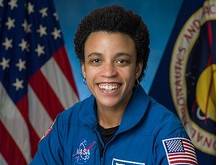
Jessica Watkins, NASA Astronaut candidate. Born in Gaithersburg, MD
There are no age requirements to become an astronaut for NASA, but you do need an engineering, biological science, physical science, or mathematics degree. In addition to that, you can’t be taller than 6’3”, have high blood pressure, or have had LASIK vision correction surgery in the previous year. There are also work experience requirements, but there’s a broad variety of acceptable experience- from kindergarten teaching to getting a master’s degree to piloting a jet. 61% of astronauts had previous military experience.
Since 1959, one of the most sought after jobs in the Federal Government is to be an astronaut for NASA, in terms of the volume of applicants per available positions. In 2017, there were just 12 candidates selected from a field of over 18,000. Included in that class of candidates (nicknamed the ‘Turtles’) is 33-year-old Jessica Watkins, who was born in Gaithersburg, Maryland. It was the 22nd selection group in the program’s history and the first since 2013. There are currently 45 active astronauts (eligible for flight assignment) and 17 management astronauts (ineligible), in addition to the dozen candidates training at the Johnson Space Center in Texas.
The members of the Astronaut Corps are civilian Federal employees, ranging on the pay-scale from GS-11, step 1 to GS-15, step 8+. In the event of a Government shutdown, the astronauts are considered ‘essential’ so members aboard the International Space Station and crew members on Earth that facilitate them are not furloughed. They are expected to work on the Corps for at least five years after training. Of over 560 members to ever be a part of the Corps, 20 have died during the time of their service (the majority were performing duties for NASA at the time) and 2 have been dismissed- which occurred in 2007… and it involved a kidnapping plot and a love affair.
Until Next Time,

**Written by Benjamin Derge, Financial Planner. The information has been obtained from sources considered reliable but we do not guarantee that the foregoing material is accurate or complete. Any opinions are those of Benjamin Derge and not necessarily those of RJFS or Raymond James. Links are being provided for information purposes only. Expressions of opinion are as of this date and are subject to change without notice. Raymond James is not affiliated with and does not endorse, authorize, or sponsor any of the listed websites or their respective sponsors.

NASA Astronaut Corps
The FedLife Podcast is your in-depth, biweekly deep dive into the world of federal benefits and retirement planning. Hosted by federal benefits expert Ed Zurndorfer and Dan Sipe of Serving Those Who Serve, each 30-minute episode unpacks the complexities of FERS and CSRS retirement, FEHB and Medicare, survivor benefits, tax planning, and more. Designed for federal employees and retirees who want more than just the basics, FedLife goes beyond the headlines to explore the rules, nuances, and strategies that can make a meaningful difference in your retirement. Remember: it’s your Fed life, make it a great one.
The Fed15 Podcast is your weekly 15(ish)-minute briefing on federal benefits and financial planning, built specifically for federal employees and retirees. Hosted by Dan Sipe and Katelyn Murray of Serving Those Who Serve, each episode delivers clear, actionable guidance on topics like FERS and CSRS retirement, TSP strategies, FEHB, survivor benefits, tax planning, and more! Whether you’re five years from retirement or already there, The Fed15 helps you cut through the noise, avoid costly mistakes, and make confident decisions about your federal benefits.